A real patient describing how they felt before and after treatment is the most persuasive content a dental practice can own. It’s also the easiest to get wrong — legally and creatively. Here’s how to do both parts right.
Not legal advice. This is a practical overview. Confirm your authorization forms and process with your compliance advisor or attorney.
Step one: written authorization
Under the HIPAA Privacy Rule, a dental practice generally needs a patient’s written authorization before using their protected health information for marketing (45 CFR 164.508(a)(3)). A patient’s face, name, story and treatment details in a testimonial video all fall into that category.
In practice, that means:
- Use a clear, specific authorization form that explains how and where the video will be used (website, social media, ads).
- Get it signed before filming, and keep it on file.
- Explain that participation is voluntary and doesn’t affect their care.
- Let the patient know how to withdraw their authorization going forward.
- Never reply to online reviews or comments in a way that confirms someone is a patient.
We only film patients who have agreed to be on camera, and we coordinate release forms with your team before every shoot.
Who to ask
The best testimonials come from patients who have just had a meaningful change — a new smile, a completed implant case, the end of years of anxiety about the dentist. Ask at the moment of delight: the smile reveal, the last aligner, the follow-up visit where they can finally eat normally.
Questions that get real answers
Avoid yes/no questions and never script answers. Ask for stories instead:
- What was going on with your teeth before you came in?
- How did it affect your day-to-day life?
- What almost stopped you from getting treatment?
- What was the experience actually like?
- How do you feel now? What’s different?
- What would you tell someone who’s where you were?
Question three is gold — it surfaces the exact objection other patients have, answered by someone they trust more than the practice.
Filming tips
- Quiet room, soft light. Treatment rooms are loud and harshly lit; a consult room or office often looks better.
- Lav mic. Clear audio matters more than 4K.
- Eye line off-camera. Have them talk to a person beside the camera, not into the lens — it feels like a conversation.
- Capture b-roll. The smile, the chair, the doctor and patient together — you’ll need cutaways in the edit.
- Keep rolling. The best line often comes after “I think that’s it.”
Editing for each platform
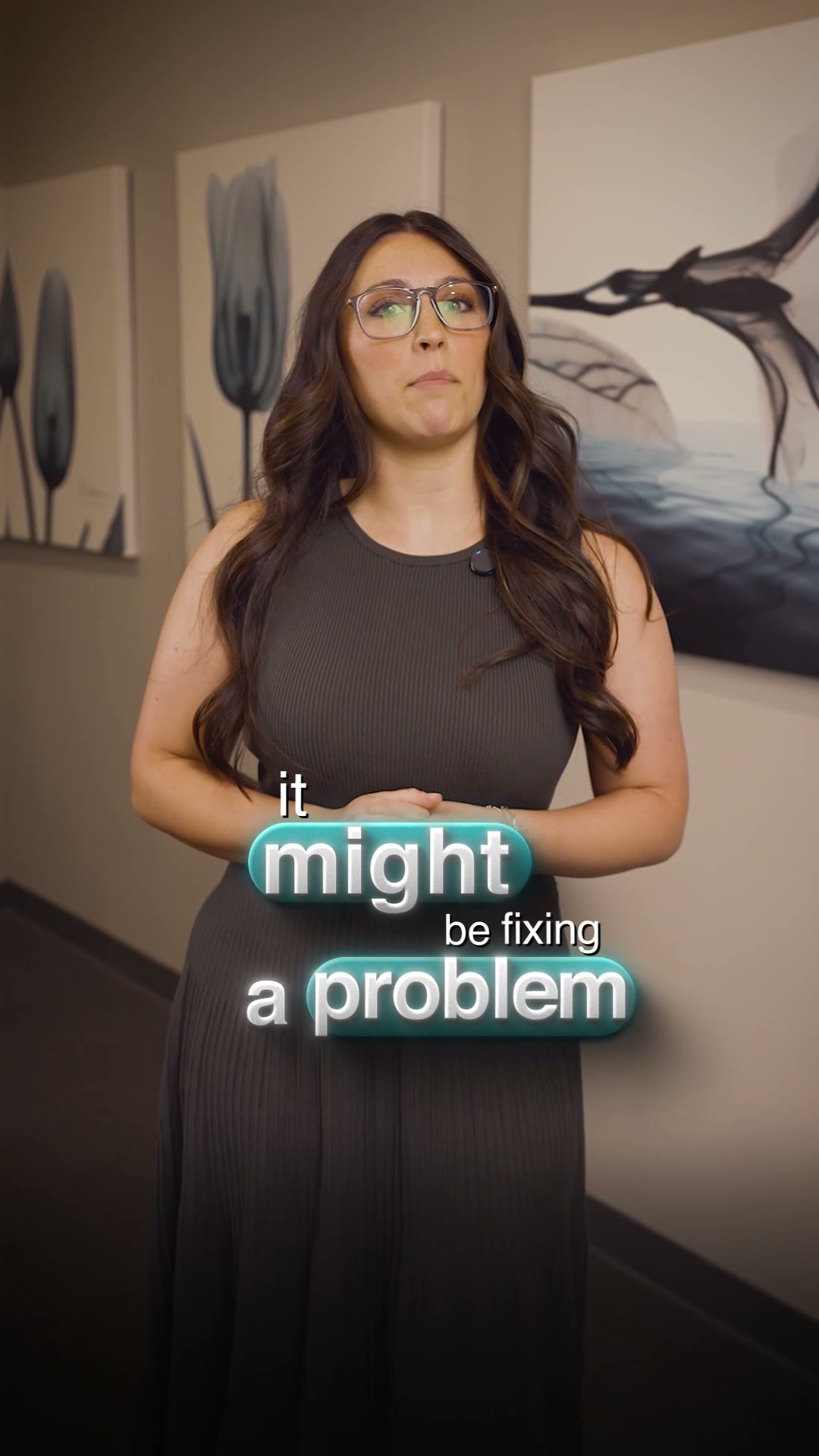
Cut a 30–60 second vertical version for Reels, TikTok and Shorts with a strong first line as the hook, and a longer version for your website and procedure pages. Add captions — many people watch social video with the sound off. The strongest clip can also become Meta ad creative.
Want testimonials filmed for you? See dental video production or book a strategy call.